|
Catholic Psychotherapy |
Spiritual Counsels |
Books |
About CSF
The Problem with “Personality” |
Personality Disorders |
Personality Gifts |
Catholic Treatment Recommendations
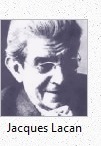
 HE French psychoanalyst,
Jacques Lacan, taught that all desire
is the “desire of the
Other.” [1] In plain language, this means that most of our
unconscious
life is a product of a variety of external social HE French psychoanalyst,
Jacques Lacan, taught that all desire
is the “desire of the
Other.” [1] In plain language, this means that most of our
unconscious
life is a product of a variety of external social
 influences. The concept of personality,
therefore, although a common term in psychology, really doesn’t mean
much because any person is really composed of many diverse and fragmentary images of
“self.” influences. The concept of personality,
therefore, although a common term in psychology, really doesn’t mean
much because any person is really composed of many diverse and fragmentary images of
“self.”
Simply consider, for example,
that the scientist who works in the lab is a quite different “person”
from the parent who plays with the children, who is again a completely different
“person” from the intimate husband or wife. Still, this is all
one and the same “person.” These normal “parts”
of personality are often called ego
states, a term derived from the clinical
hypnosis
work of John & Helen
Watkins.[2]
Sometimes, we notice this by
saying something like, “I saw so-and-so at the company picnic over the
weekend, and when he was playing with the children he showed a child-like
side of himself that I had never seen before.” There is nothing abnormal
about this except the fact that we don’t notice such things more
often.
|
Occasionally
you might hear about a person who commits a crime or is implicated in a scandal.
Friends and family may rush to the defense, saying “It couldn’t
be true! He is so religious and so devoted to his family.” Well, sad
to say, it could very well be that a lewd or criminal ego state exists
side-by-side with the pillar-of-the-community ego state. Therefore, a
person’s behavior in one situation does not “prove” anything
about the rest of his or her life.
This all goes
to show that unless your values embrace all your ego states you will always
be vulnerable to the “snares” of
corruption. It takes considerable
discipline to communicate with and
heal all the aspects of your personality so as
to live a truly honest and spiritual life. |
|
Discovering and understanding ego states
can be an important part of Catholic psychotherapy.
For example, the “Little You” can hold much of your emotional pain from childhood,
and the “Teenage You” can be involved with rebelliousness. In this regard, note that it
can be comforting to know that you do not have to identify with the distress of a child
ego state; that is, the adult part of you can listen objectively and without fear to the
child part’s emotional pain. So if you resolve to listen to that pain, rather than run from it
as you likely have been doing most of your life, then the missing part of your psychological
healing can be remedied.
Note carefully, though, that all ego states are
parts of your unconscious—the repository of the totality of your
personal truth [3]—and so all ego states are true parts of yourself; that is, there
is no such thing as a “false self,” even though popular psychology often
misunderstands this point.
Personality
Disorders
The Diagnostic and Statistical
Manual of Mental Disorders, Fourth Edition
(DSM-IV) [4]
describes several types of Personality Disorders, which might be organized
by “clusters” and
diagnosed.
Cluster A
Personality Disorders
Paranoid
Personality Disorder refers to a “pervasive distrust and
suspiciousness of others such that their motives are interpreted as
malevolent.”
Schizoid
Personality Disorder refers to a “pervasive pattern of detachment
from social relationships and a restricted range of expression of emotions
in interpersonal settings.”
Schizotypal
Personality Disorder refers to a “pervasive pattern of social
and interpersonal deficits marked by acute discomfort with, and reduced capacity
for, close relationships as well as by cognitive or perceptual distortions
and eccentricities of behavior.”
Cluster B
Personality Disorders
Antisocial
Personality Disorder refers to a “pervasive pattern of disregard
for and violation of the rights of
others.”
Borderline
Personality Disorder refers to a “pervasive pattern of instability
of interpersonal relationships, self-image, and affects, and marked
impulsivity.”
Histrionic
Personality Disorder refers to a “pervasive pattern of excessive
emotionality and attention seeking.”
Narcissistic
Personality Disorder refers to a “pervasive pattern of grandiosity
(in fantasy or behavior), need for admiration, and lack of
empathy.”
Cluster C
Personality Disorders
Avoidant
Personality Disorder refers to a “pervasive pattern of social
inhibition, feelings of inadequacy, and hypersensitivity to negative
evaluation.”
Dependent
Personality Disorder refers to a “pervasive and excessive need
to be taken care of that leads to submissive and clinging behavior and fears
of separation.”
Obsessive-Compulsive
Personality Disorder refers to a “pervasive pattern of preoccupation
with orderliness, perfectionism, and mental and interpersonal control, at
the expense of flexibility, openness, and efficiency.”
|
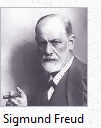 Passive-Aggressive
Personality is a Freudian term. It refers to a person who gives the
appearance of being cooperative and yet whose continual procrastination and
dawdling are really an
unconscious
manipulation reflecting hostility. The underlying dynamic here is spite,
a desire to retaliate against those who are perceived
to be hurtful. In their own eyes these persons may see themselves as victims
of circumstances beyond their control, but all their unfortunate
failures—which ultimately block the plans of others—are unconsciously
contrived. Passive-Aggressive
Personality is a Freudian term. It refers to a person who gives the
appearance of being cooperative and yet whose continual procrastination and
dawdling are really an
unconscious
manipulation reflecting hostility. The underlying dynamic here is spite,
a desire to retaliate against those who are perceived
to be hurtful. In their own eyes these persons may see themselves as victims
of circumstances beyond their control, but all their unfortunate
failures—which ultimately block the plans of others—are unconsciously
contrived. |
|
Personality
Gifts
Contemporary psychological theory
tends to hold the belief that personality disorders result from abnormalities
in brain chemistry that are “hard wired” in the brain from birth.
From a theological perspective, this explanation of personality is a form
of scientific fatalism that offers little real hope for psychological
change.
Consequently, it would be far
more helpful to consider the God-given personality gifts that underlie
personality disorders. Because of family
dysfunction, these personality gifts—which touch upon deep philosophical
truths about the world—can be turned into antisocial
defenses that ward off psychological assaults
from the world. In other words, instead of using these gifts for the good
of others, a personality disorder essentially hoards its gifts to protect
the self and push others away.
PERSONALITY
DISORDER |
PERSONALITY
GIFT
The recognition that . . . |
Rx |
Paranoid |
... |
other persons are usually up to no
good. |
|
|
 |
Schizoid |
... |
emotions are mysterious and hold
dark and often frightening truths. |
|
|
|
Schizotypal |
|
|
Antisocial |
... |
the world is a fraud. |
|
|
|
Borderline |
... |
there is more to the world than you
see. |
|
|
|
Histrionic |
... |
you
can’ t have everything you
see. |
|
|
|
Narcissistic |
... |
everyone is always missing the
point. |
|
|
|
Avoidant |
... |
other persons do not care about your
best interests. |
|
|
|
Dependent |
... |
the world is a dangerous place. |
|
|
|
Obsessive-Compulsive |
... |
the world has a fundamental orderly
logic to it. |
|
|
|
Passive-Aggressive |
... |
other persons will get upset if you
express your true feelings. |
|
|
|
Catholic Treatment
Recommendations
True and lasting healing for
personality disorders can be achieved simply by recognizing the personality
gift and then applying it in a charitable, rather than self-defensive,
manner.
Notice, however, that the process,
even though it may be simple, requires hard work and intense
discipline. Through
sacrifice, obedience, and prayer you must train
yourself to act in a completely new way than you have been living up until
now. In essence, you must die to yourself mystically and start
living—spiritually and socially—for Christ.
I have been crucified
with Christ; yet I live, no longer I, but Christ lives in me. |
—Galatians
2:19b-20a |
So here’s how to do
it.
PARANOID
PERSONALITY
DISORDER
A core knowledge of Paranoid Personality
Disorder is that “other persons are usually up to no
good.” And so it is, for, because of Original Sin,
all of us, deep in our hearts, seek our own self-interests and often do
bad and evil things. To
live in Christ, though, it is important to not fear
those who do evil; instead, it is important to love our
enemies and pray for them. So, to achieve true
spiritual healing, it will be important that a person with Paranoid Personality
Disorder traits learn to set aside suspiciousness and accusations for the sake of true
Christian love.
|
Take the knowledge
that “other persons are usually up to no good” and
show them, through your own
faith, what a holy life of charity and goodness is
all about. |
|
|
|
 |
SCHIZOID
PERSONALITY
DISORDER
A core knowledge of Schizoid Personality
Disorder is that “emotions are mysterious and hold dark
and often frightening truths.” Human life is characterized by
unconscious conflicts,
fear, and anger. But, instead
of hiding from life, we are called to trust in God.
“Not as man sees does God see, because man sees the appearance but the
LORD looks into the heart” (1 Samuel 16:7). So, to achieve
true spiritual healing, it will be important that a person with Schizoid
Personality Disorder traits learn to set aside fear of social relationships and learn
how to approach others with emotional honesty through
total trust in Christ.
|
Take the knowledge
that “emotions are mysterious and hold dark and often frightening
truths” and show others, through
your own faith, that there is nothing to fear when
living in Christ. |
|
|
|
|
SCHIZOTYPAL
PERSONALITY
DISORDER
A core knowledge of Schizotypal Personality
Disorder is that “the world is crazy.” And that is
true because, apart from Christ, the world is crazy and lost to sin. So,
to achieve true spiritual healing, it will be important that a person with
Schizotypal Personality Disorder traits stop acting like he’s crazy when others act
with crazy-making behavior; instead it will be important that he learn to be sane
in Christ in the midst of a crazy world.
|
Take the knowledge
that
“ the
world is crazy” and show others,
through your own faith, that the only sanity to be
found in this world is a life given over to total trust in Christ. |
|
|
|
|
ANTISOCIAL
PERSONALITY
DISORDER
A core knowledge of Antisocial Personality
Disorder is that “the world is a fraud.” And that
is true because, apart from Christ, the social world is a
fraud and has no authority except that
given to it by God. So, to achieve true spiritual healing, it will be important
that a person with Antisocial Personality Disorder traits stop treating others with disdain
because he was treated with disdain and emotionally wounded
as a child; instead it will be important that he learn to be kind and respectful in
Christ in the midst of a cruel and fraudulent world.
|
Take the knowledge
that
“ the
world is a fraud” and show others,
through your own faith, that the only truth to be
found in this world is in Christ, and that all social respect must derive
from respect for Christ’s commandment to “love others as
I have loved you.” |
|
|
|
|
BORDERLINE
PERSONALITY
DISORDER
A core knowledge of Borderline Personality
Disorder is that “there is more to the world than you
see.” Why? Well, physically, sexually, or emotionally abused as a child,
this person has experienced first hand that game-playing behaviors lie behind
the surface appearances of the family. So, to achieve true spiritual healing,
it will be important that a person with Borderline Personality Disorder traits stop
flying into a rage because she doesn’t get the recognition she
wants from others and instead learn to give to others the
love that they need.
|
Take the knowledge
that
“ there
is more to the world than you see” and
show others, through your own
faith in the unseen mysteries of Christ, that you
can love and pray for
those who try to manipulate and deceive you. |
|
|
|
|
HISTRIONIC
PERSONALITY
DISORDER
A core knowledge of Histrionic Personality
Disorder is that “you can’t have everything you
see.” She will act out this truth by doing everything she can to draw
attention to herself—to be seen by others—only to make herself
emotionally unavailable to others when they are attracted to her. To find
healing for this unfulfilling dynamic, it will be important that a person with
Histrionic Personality Disorder traits stop trying to be seen in herself and instead learn
to show others that in Christ she is so filled with the fullness of God that external
validation is vain and meaningless.
|
Take the knowledge
that
“ you
can’t have everything you see” and
show others, through your own
faith, that all social life is just empty show and
that no emotional fulfillment can be had except in Christ. |
|
|
|
|
NARCISSISTIC
PERSONALITY
DISORDER
A core knowledge of Narcissistic
Personality Disorder is that “everyone is always missing
the point.” And so it is that almost everyone does miss the point, when
the true point of life is Christ. So, to achieve true spiritual healing,
it will be important that a person with Narcissistic Personality Disorder traits stop
using intellectual arrogance to punish others for their ignorance and instead learn
to help others get to the point of genuine Christian
love.
|
Take the knowledge
that “everyone is always missing the point” and
show others, through your own
faith, that the only point of life is life in
Christ. |
|
|
|
|
AVOIDANT
PERSONALITY
DISORDER
A core knowledge of Avoidant Personality
Disorder is that “other persons do not care about your
best interests.” And so it is in reality that no one but God—and
those who keep God’s commandments—cares about your best interests.
So, to achieve true spiritual healing, it will be important that a person with
Avoidant Personality Disorder traits stop hiding from life because of a fear
of getting hurt and instead learn to give love to others
in spite of knowing that he will likely receive nothing in return but scorn.
|
Take the knowledge
that “other persons do not care about your best
interests” and show others, through
your own faith, that you can love others as Christ
loves us all, in spite of the world’s indifference, ingratitude, and
contempt. |
|
|
|
|
DEPENDENT
PERSONALITY
DISORDER
A core knowledge of Dependent Personality
Disorder is that “the world is a dangerous place.”
And so it is, when everyone lost in sin cares for
nothing but self-indulgence and will step all over you to get what they want.
So, to achieve true spiritual healing, it will be important that a person with
Dependent Personality Disorder traits stop clinging to a protective
illusion and instead learn to cling only to
Christ’s real presence. In the Eucharist
is your power; it will defend you.
|
Take the knowledge
that
“ the
world is a dangerous place” and show
others, through your own faith, that you have found
your protection in Christ and Christ alone. |
|
|
|
|
OBSESSIVE-COMPULSIVE
PERSONALITY
DISORDER
A core knowledge of Obsessive-Compulsive
Personality Disorder is that “the world has a fundamental
orderly logic to it.” And so it does, because God created it all. So,
to achieve true spiritual healing, it will be important that a person with
Obsessive-Compulsive Personality Disorder traits stop trying to be perfect and instead
learn to accept his own
brokenness and live from the
heart—Christ’s broken heart—the
perfection of God’s love for the
world.
|
Take the knowledge
that
“ the
world has a fundamental orderly logic to it” and
show others, through your own living
faith, not dead rigidity, that this orderliness points
to only one thing: God’s love for the world in calling it out of death
into life. |
|
|
|
|
PASSIVE-AGGRESSIVE
PERSONALITY
DISORDER
A core knowledge of Passive-Aggressive
Personality Disorder is that “other persons will get upset
if you express your true feelings.” And so they will, for, in a world
lost in sin, other persons care only about their
own desires, not about your feelings. So, to achieve
true spiritual healing, it will be important that a person with Passive-Aggressive
Personality Disorder traits stop hiding his feelings and learn to express them with true
humility.
|
Take the knowledge
that “other persons will get upset if you express your true
feelings” and show others, through
your own faith and through your absolute confidence
in God’s protection, that you can speak the truth in all things, honestly
and openly. |
|
|
|
|

Notes.
1. Jacques Lacan, “The subversion of the subject
and the dialectic of desire in the Freudian unconscious.” In Écrits: A selection,
trans. Alan Sheridan (New York: W. W. Norton, 1977).
2. Ego
State Therapy features online “reprints” of articles
by John & Helen Watkins.
3. In working therapeutically with the psychology
of the unconscious, two levels of truth need to be acknowledged. Absolute truth
is God Himself, and neither psychology nor any science can say much about that truth
except that it exists, that our lives depend on it, and that we need to be grateful for
it. Our personal encounter with that truth amounts to our personal truth; each
person’s unconscious contains this truth about his or her life.
4. American Psychiatric Association: Diagnostic
and Statistical Manual of Mental Disorders, Fourth Edition. Washington, DC: American
Psychiatric Association, 1994.

Healing
|
Though
Demons
Gloat
|
Anger
&
Forgiveness
|
Falling
Families,
Fallen Children
|
Disasters
and
trauma
|
Psychology
from the
Heart
|
 |
 |
 |
 |
 |
 |
Psychological Healing
in the Catholic Mystic tradition |
True Christian
Identity
In Confronting
Evil |
How to Turn the
Emotional Wounds
of Daily Life Into
Psychological Growth. |
The Psychological
and
Spiritual Remedy
For Our Cultural
Disintegration |
The Struggle For
Psychological
and Spiritual
Growth |
Collected Texts
About the Spiritual Depth of
Clinical Psychology |
More information |
More information |
More information |
More information |
More information |
More information |
Desire
and
Distraction
|
Fear
|
Stopping
Smoking
|
Borderline
Personality
Disorder
|
Catholic
Compassion
|
 |
 |
 |
 |
 |
A Catholic Perspective
On Behavioral Change
and Its Subversion |
A Catholic Explanation
Of a Universal
Problem |
Through
Faith
and
Prayer |
Healing
the
Rage |
When They Tell You
That the Moral Teachings
of the Catholic Church
Are Wrong |
More information |
More information |
More information |
More information |
More information |
|